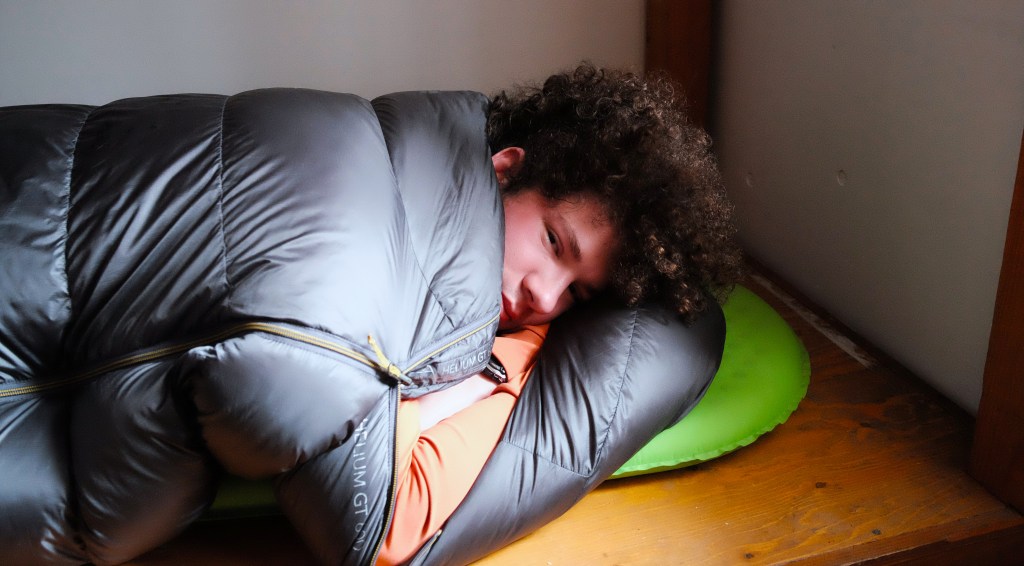
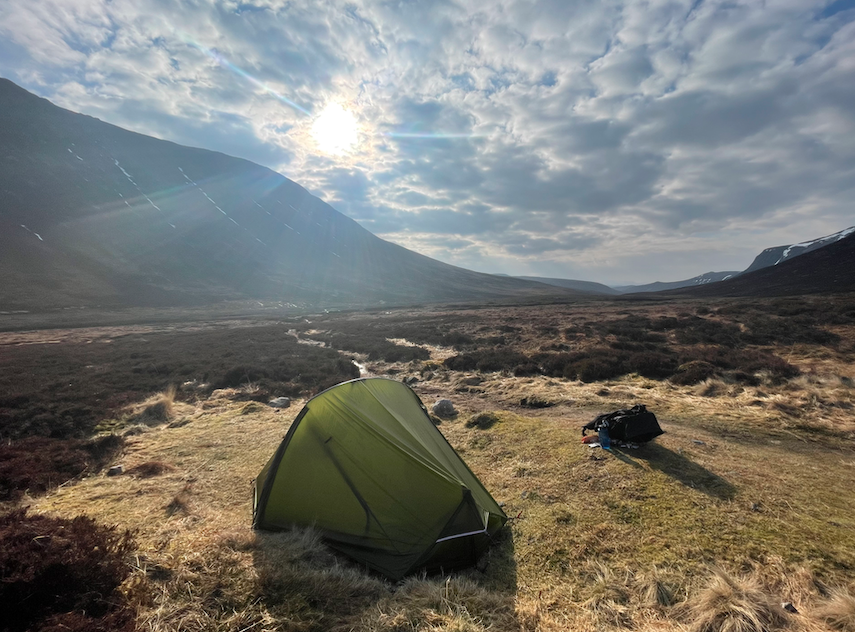
In this post I will be reviewing the Mountain Equipment ‘Helium GT 600’ and ‘Glacier 700’ sleeping bags, both of which I have owned and used regularly over the past 3 years. I will also be comparing the Mountain Equipment ‘Xeros’ (which my father has had for the last year) to my Glacier 700, given their similar temperature ratings. The Helium has been my go-to sleeping bag and I have taken it to the French Alps, Wales, Isle of Skye and Scottish Highlands – most recently when walking the Cape Wrath Trail. In contrast, I have saved the Glacier for best using it last winter to hike and explore the Orkney Islands and in Glen Affric this November where I had the opportunity to compare it to the Xeros. Throughout my usage I have been camping in a Vango ‘F10 Helium 2’ and used a Thermarest ‘Trail Pro’ which has allowed fair comparison between each.
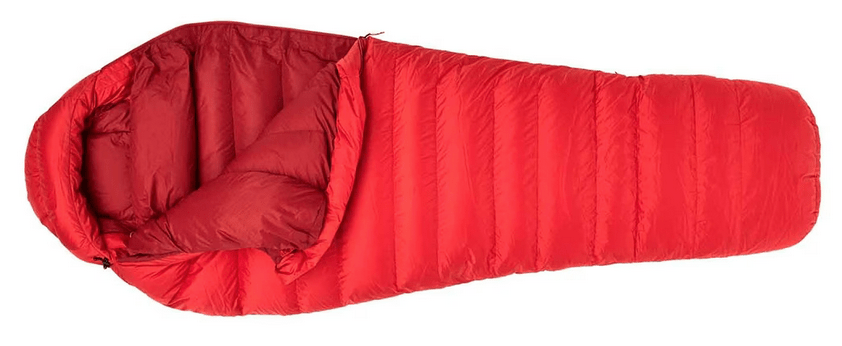
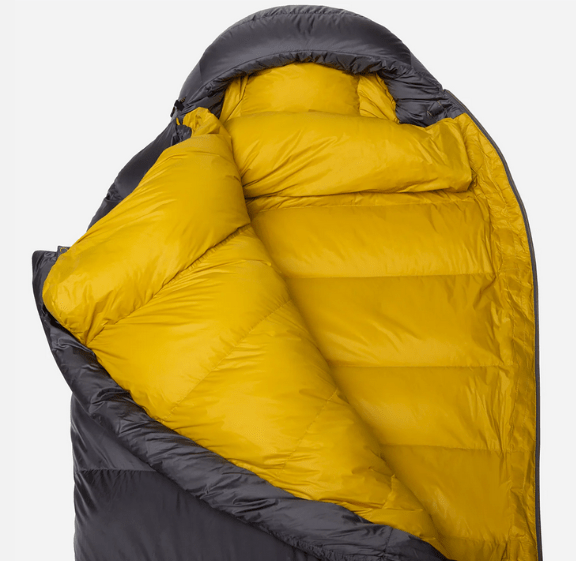

To get the basic information out of the way, this is what each of the 3 sleeping bags (pictured above) are meant for and the temperatures they are rated down to:
- Helium GT 600 (bottom left) – Intended for long backpacking and trekking trips from Spring to Autumn, with a good night’s sleep rating of -10°C. Weight of 1090g.
- Glacier 700 (top) – Also used for backpacking and trekking, but aimed more towards mountaineering. A good night’s sleep rating of -15°C, weighing in at 1230g.
- Xeros (bottom right) – Essentially a Glacier, just more lightweight. Supposedly for alpine climbing and multi-day routes, with a good night’s sleep rating of -14°C. Weight of 1010g making it the lightest of the 3.
I firmly believe that for most things, the Helium is the perfect all-round sleeping bag. I have used it in summer when temperatures have been around 12°C (it works well as a blanket when unzipped), but also when temperatures have dropped to circa -5°C. As with all sleeping bags, varying the clothing you wear underneath massively impacts their capabilities as does your body temperature upon entering… but I must admit that the -10°C rating is optimistic. When wild camping on the Cape Wrath trail I was wearing a fleece, leggings and socks, and I would have had to wear a decent bit more to remain comfortable if the temperature had dropped much further, thankfully it didn’t. The Helium is not the lightest sleeping bag out there by any means, but having carried it for a little over a week on several occasions I can say that it packs down well and comfortably fits into a 35 litre backpack alongside a sleeping mat, clothing and food. I also like how roomy it is on the inside, probably reducing its temperature rating but allowing for a lot of stretching and fidgeting. I would note that the Helium is not particularly water-resistant (not that it claims to be) and while it does dry quickly, if your tent is prone to condensation like mine and the weather isn’t ideal that might be an issue.
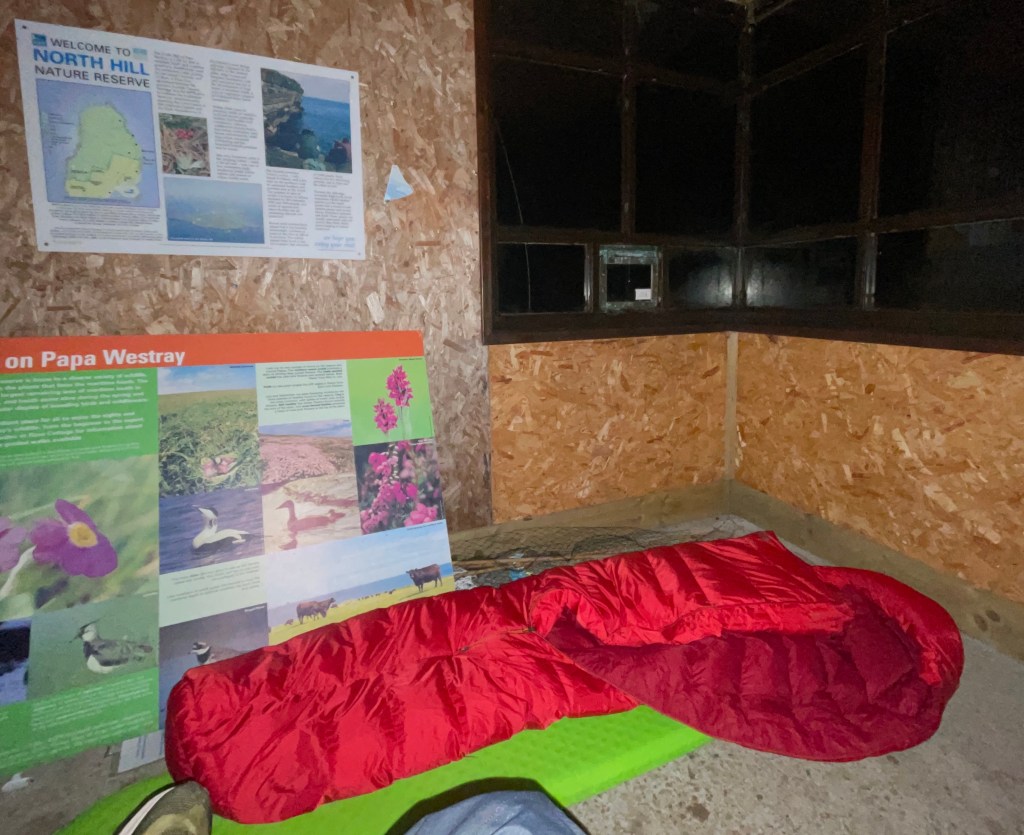
The Glacier may only be 140g heavier than the Helium, but it’s noticeable, and a hell of a lot denser when packed away making a 35 litre backpack no longer ideal for a weeks trip. It is also a much more snug ‘alpine’ fit around the body, which improves heat retention but reduces fidgetability. Despite the weight and lack of roominess, I have never been cold when using it, including on the northermost tip of Papa Westray on Orkney where I stayed the night in a draughty bird-watching shed in -8°C with 40 mph winds and snow. I have heard some people comment on the lack of insulation around the feet, and while there is certainly less at the bottom I have not found my feet to be abmormally cold in comparison to my torso. I would tentatively suggest that for those that run warm like myself – and with suitable thermals on underneath – the good night’s sleep temperature might actually be accurate. Another win when compared to the Helium is the toughness and thickness of the material; I got the impression that a sharp rock or bag zip would have a hard time ripping the fabric. In addition, the Glacier is properly water-resistant and has successfully fought off my tents condensation problems (which is a first).
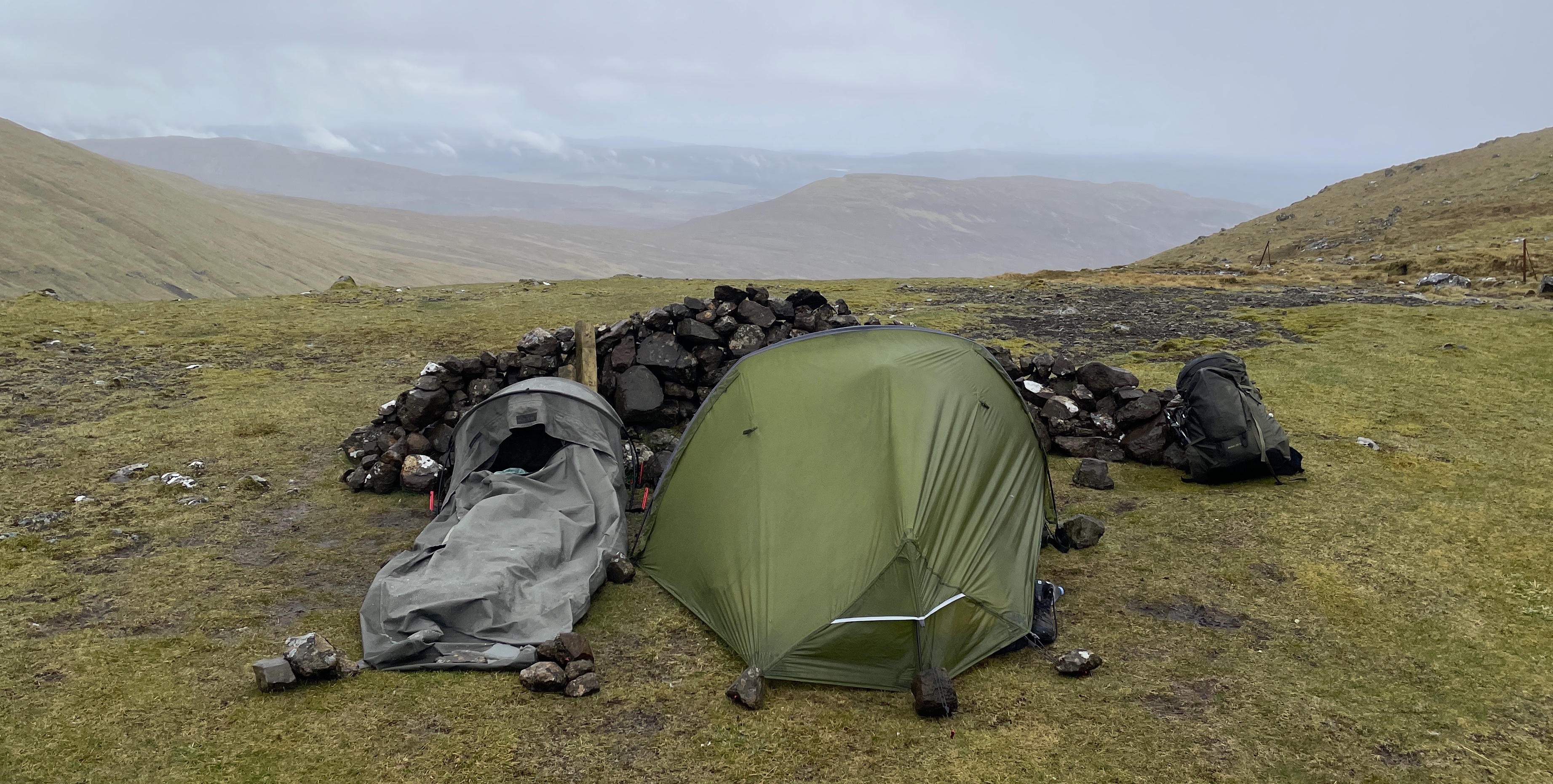
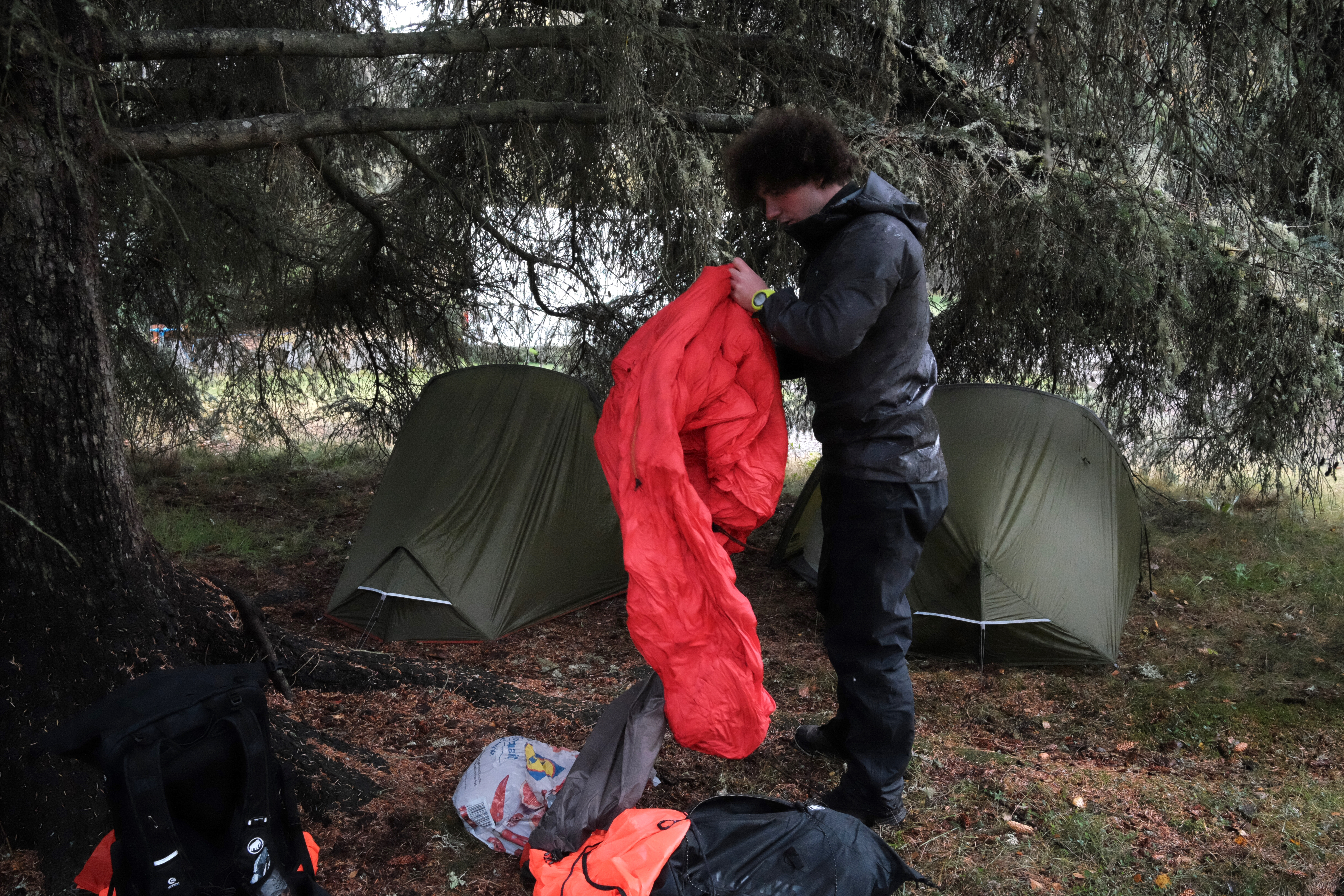
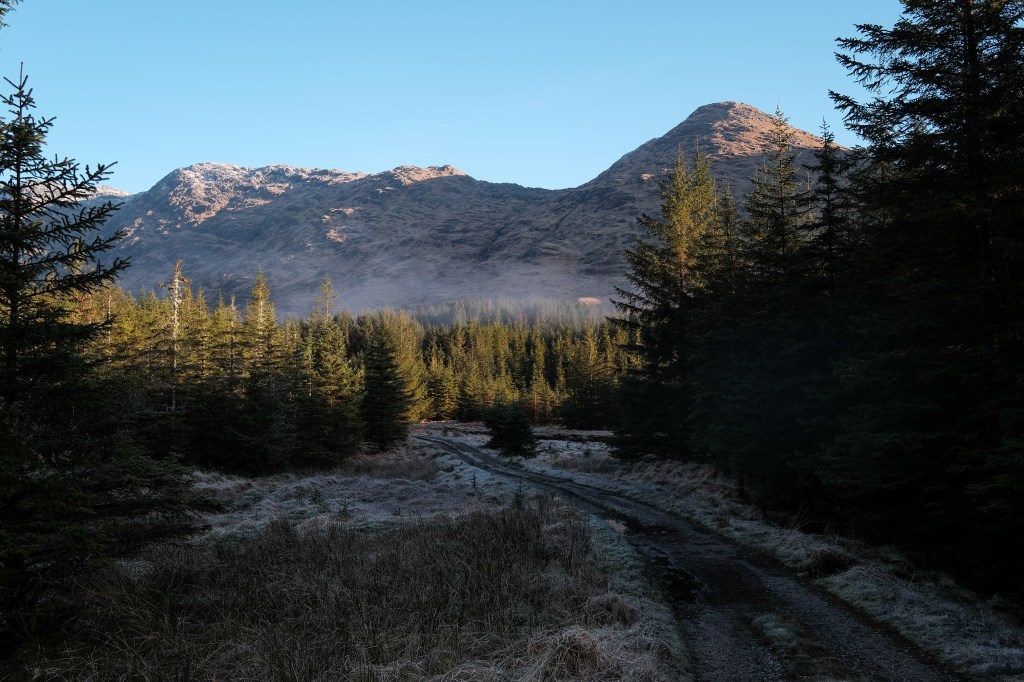
Moving onto the Xeros vs the Glacier… this is based on comments my father has made while using it over the past year, as well as my observations when walking the Affric Kintail Way with him. Despite being £150 more expensive than the Glacier, the Xeros is rated to 1°C less and in my fathers experience that rating is wildly optimistic. When using it in the Forest of Dean – where temperatures were around 0°C – the Xeros was “adequately warm” and no more, and in Glen Affric more recently (maybe -5°C) I was toasty in my Glacier wearing only pants and a t-shirt, while my dad was wearing thermals and still woke up cool in the morning. I would also comment that the fabric of the Xeros seems similar to that of the Helium in that it is rather thin and flimsy – not a problem with the £380 Helium, but I would expect more from the high-end Xeros costing double the price. I theorise that the Xeros has cut corners when it comes to weight and that Mountain Equipment have been more generous than normal with the temperature ratings?
In conclusion, the Helium GT 600 will remain my go-to sleeping bag for anything outside the depths of winter. It is well made, comfortable and very warm, but also light enough to be carried long distances in a small pack and versatile enough to be used in a wide range of temperatures! I believe that – for the price – these benefits massively outweight any performance niggles. The Glacier 700 might be heavier and require a larger pack, but the build quality and warmth remain unmatched compared to anything else I have seen or tried. If I thought the temperatures would be regularly below -6°C, I would find a way to bring it and could not recommend it more. Finally, my experience of the Xeros is almost entirely negative. I like to save weight, often ignoring cooking apparatus in favour of cereal bars and dried fruit or a balled up fleece instead of a pillow, but the Xeros appears to have gone too far in this direction especially considering its hefty price-tag…
I hope you enjoyed this article and that it helped you decide which sleeping bag is right for you in time for the after-Christmas and summer sales… if you’d like to be emailed next time I post then be sure to sign up below!
 Patrick Kyak