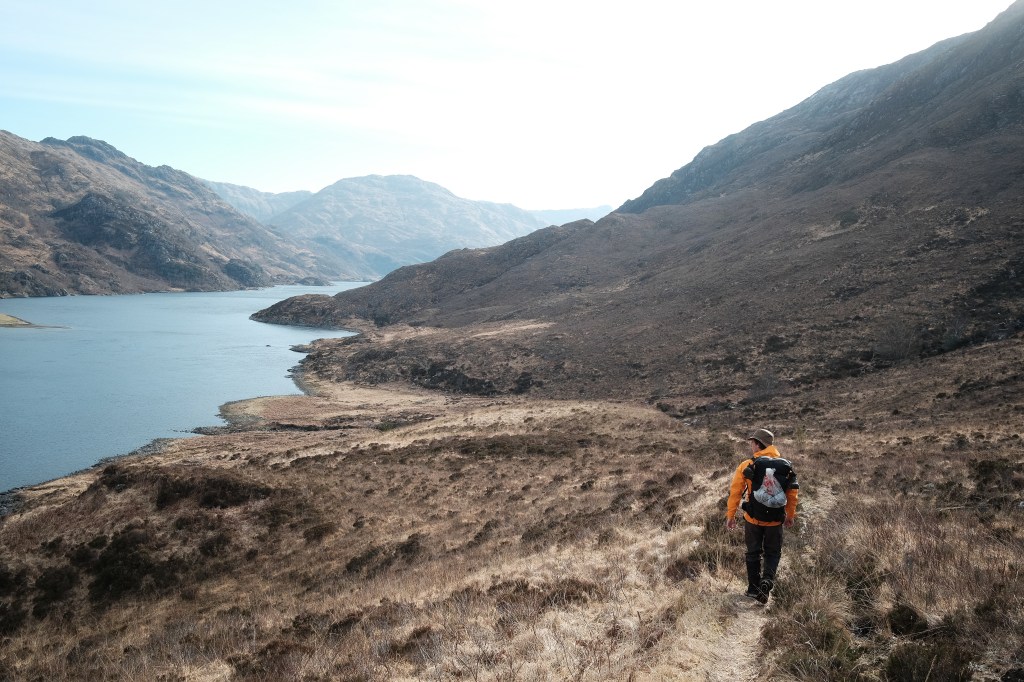
Continuing with the gear-review theme, I will be offering my thoughts on the Mammut ‘Ducan Spine’ backpack. The Ducan Spine comes in two sizes: a 28-35 and a 50-60 litre version. I have used both of these over the past 2-3 years, wearing them for the Cape Wrath, Skye and Affric Kintail trails (among others), but I quickly disgarded the larger size. Right off the bat there are several features that do not translate when sized up (which I shall talk about below) and for that reason I believe the 28-35 is a superior backpack despite a mostly shared design.
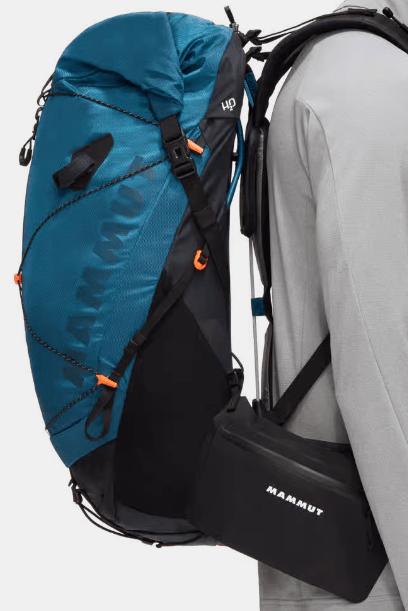
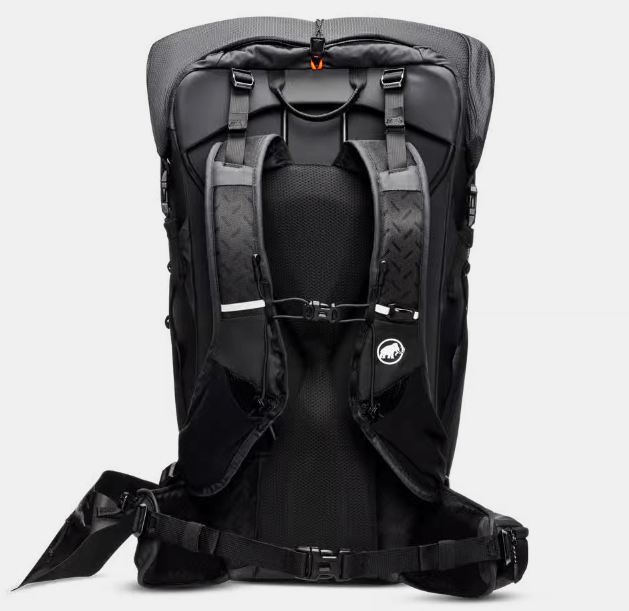
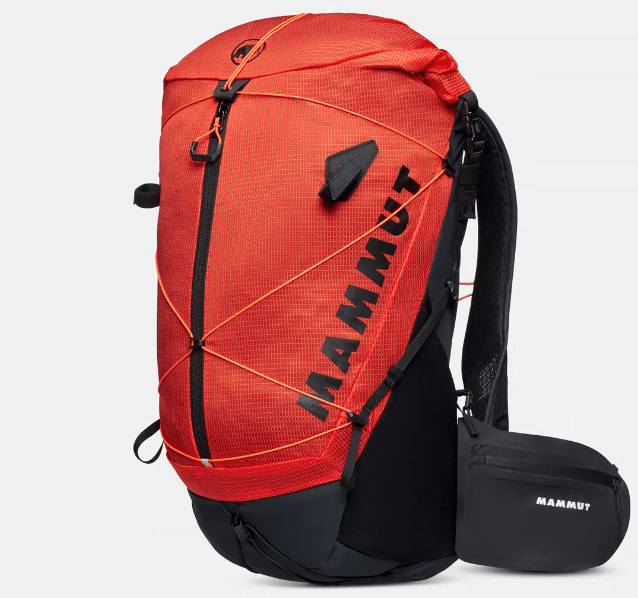
First off, a quick intro to the Ducan Spine design:
- The Ducan Spine is intended for hiking (long distance trails, multidays etc).
- It has a flexible spine (unsurprisingly) which allows the shoulder and hip straps to twist in opposite directions improving weight distribution and overall comfort.
- The roll-top opening at the top of the pack (similar to a dry-bag) allows you to adjust the volume as required.
- A removable water-resistant pouch (included) can clip into a variety of positions on or within the backpack.
The two versions are very similar, with three standout differences:
- The 50-60 has a bottom compartment quickly accessed by an additonal outside zip. This compartment is separated on the inside by a drawstring mechanism.
- The 28-35 litre weighs in at 1400g, while the 50-60 litre is 120g heavier at 1520g.
- The smaller version retails for ~£140 compared to ~£190 for the larger pack.

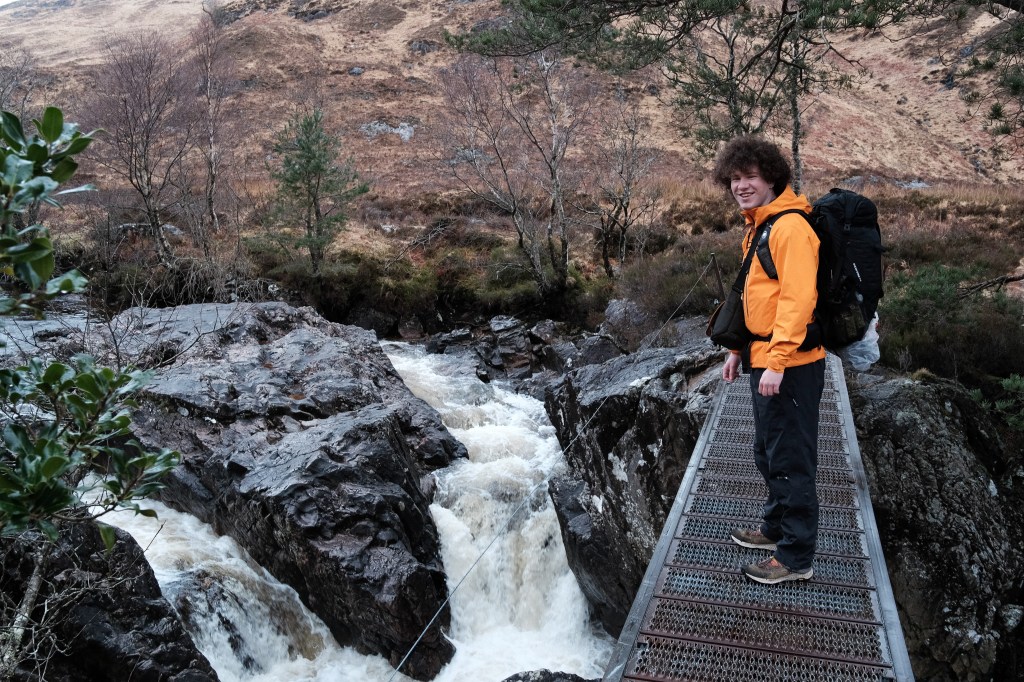
So what do I like about the Ducan Spine? Several things actually: The spine mechanism is something a few other backpacks share, but the implementation by Mammut is the best I’ve seen so far. You can feel the hips and shoulders twisting, especially when climbing uphill and reaching for handholds on a scree slope. This stops the backpack from swinging from one side to the other as you twist your body, centering the weight on your back and improving balance. In addition, the gap between your back and the pack (shown in the first photo) is considerable, allowing better airflow and breathability. Combine all of this with an adjustable fit, and you can move quickly and comfortably through the landscape without swaying all over the place like a drunkard.
I’m a fan of the single interior compartment, it maximises space and simplicity is often best (the drawstring at the bottom of the 50-60 can be loosened to combine compartments). When it comes to pockets, there is no shortage: two mesh pockets on the shoulder straps and another two on the side can be stretched to accommodate most things including the rather fat Nalgene bottles. The zip pocket on the left hip is quite roomy and there are also attachment points for walking poles. The water-resistant pouch can positioned within the pack, across the chest or on the right hip, and has kept my phone and wallet dry and easily accessible even in heavy rain. I especially like the webbing on the back and elastic on the bottom, both of which can carry larger items such as a tent, shoes (pictured above) or sleeping mat.
The adjustable volume system is incredibly simple – you just roll down the top – but it reduces the pack’s size and compresses the contents which stops things from rattling around inside and also improves your centre of balance. The central zip running down the spine is strong and allows easy access to the interior, very convenient if you’ve stuffed your sleeping bag at the bottom and don’t want to empty everything before bed. The packs are well made and the fabric appears to be semi water-resistant; if in doubt, a rain cover (pictured below) is included in a small pocket underneath the pack without taking up any interior space.

Up until this point I’ve been singing praises about the Ducan Spine, but there are some negatives. First and foremost are the mesh pockets, especially those on the side – they can stretch a lot, but they’re also rather fragile. The netting on my 50-60 already had a hole upon recieving the pack and this just got larger and larger through use, and my 25-38 looks like it’ll be going the same way after the Affric Kintail way. I know that elastic is generally less robust than other fabrics, but the Ducan Spine’s is weaker than it should be – I would avoid over-stretching. The central zip that runs down the spine is chunky and tough, but when the pack is stuffed (mind you not over-stuffed) the zip doesn’t stay completely closed. It won’t spill the contents of your pack all over the trail but if you happened to leave smaller items next to the top of the zip they might fall out. This can be solved by threading the outside webbing drawstring through the zip puller to stop it falling down. I would also criticise the aforementioned webbing, which is difficult to tighten evenly and the metal oval just above the zip where the cord intersects seems to be an afterthought. The metal oval on my 28-35 has become detached through use, meaning that the load from the webbing is placed on the flap which is not ideal (although it does appear to be holding fine for the moment).
The previous points apply for both sizes of pack, but the following only regards the 50-60 and is my reason for ignoring it. You’d think that sizing up a pack wouldn’t be an issue, indeed a 60 litre version would be perfect for longer multidays and times where bulky winter clothing has to be carried… but the spine mechanism does not transfer at all well to the larger pack. The same mechanism that makes walking so comfortable and the load bearing easier in the 28-35 causes the 50-60 (when filled) to sway unnervingly and unbalances you more than a fixed spine would. This is unfortunate and there doesn’t really seem to be a solution other than to stick with the smaller size, but it’s something you wouldn’t notice trying on the empty pack in a shop.

In conclusion, my Ducan Spine 28-35 litre will continue to be my backpack of choice for 3-season multidays. It can comfortably fit enough gear for 3-4 days if you’re planning on carrying a large stove and cooking utensils or, as I do, more like 5-7 days if you go ultralight and forgo any luxuries. The flexible spine really is very nice, and for those with a fast pace or who might want to throw in some steeper climbing it is much more comfortable than a standard pack without being too much heavier. If 35 litres isn’t enough for what you intend, I would ignore the 50-60 and look elsewhere. It’s not a terrible pack, but its design does not function as intended and there are plenty of other options out there! I hope you enjoyed this post and found it useful, if you’d like to be emailed next time I post then be sure to sign up below…
 Patrick Kyak